
Shawn A. Thomas, PhD
Assistant Professor
Department of Biology
College of St. Benedict/St. John's University
Office: Peter Engel 303 (SJU campus)
Phone: 320.363.3275
Fax: 320.363.3202
Email: sthomas@csbsju.edu
The Temple of Heaven; Beijing, China
Current schedule:
Fall 2008
|
DAY |
8:00-9:10 |
9:40-10:50 |
11:20-12:30 |
1:00-2:10 |
2:40-3:50 |
4:20-5:30 |
|---|---|---|---|---|---|---|
| 1 | Biol 121 lecture | |||||
| 2 | Biol 121 lab | Biol 121 lab | Biol 121 lecture | |||
| 3 | Biol 121 lecture | |||||
| 4 | Biol 121 lab | Biol 121 lab | Biol 121 lecture | |||
| 5 | Biol 121 lecture | |||||
| 6 | Biol 121 lab | Biol 121 lab | Biol 121 lecture |
Office hours: Days 1: 10:00-11:00 and 5: 9:40-11:00; other times by appointment
Spring 2009, tentative
|
DAY |
8:00-9:10 |
9:40-10:50 |
11:20-12:30 |
1:00-2:10 |
2:40-3:50 |
4:20-5:30 |
|---|---|---|---|---|---|---|
| 1 | ||||||
| 2 | Biol 214 lecture | Biol 214 lecture | research meeting | |||
| 3 | Biol 214 lab | Biol 214 lab | research meeting | |||
| 4 | Biol 214 lecture | Biol 214 lecture | Biol 214 lab | Biol 214 lab | ||
| 5 | Biol 214 lab | Biol 214 lab | ||||
| 6 | Biol 214 lecture | Biol 214 lecture |
Courses taught:
BIOL 114 Introduction to cell biology and genetics
BIOL 121 Cellular life: introduction to cell and molecular biology
BIOL 214 Principles of human anatomy and physiology
Areas of research interest:
My areas of study are animal behavior and sociobiology in which the emphasis is placed on testing theories and generating hypotheses associated with sexual selection and mate choice. To date, my research has worked to integrate the areas of behavior and neuroscience to investigate the potential of variations in mating systems with respect to geographic location.
I, along with CSB and SJU students, have examined variables that contribute to mate-choice decisions including fidelity versus dissolution of a pair bond between individuals (see publications below) and the potential effects on fitness associated with the relatively uninvestigated area of outbreeding depression in mammals. This research was conducted using the prairie vole, Microtus ochrogaster, as a model species. This research was funded through a National Science Foundation grant.
I recently returned from a research trip to China. I was a member of a four person contingency that worked with researchers and graduate students from the Chinese Academy of Science. Our topic of interest is the sociobiology of a species of vole, the Brandt's vole, that is endemic to grassland habitat in Asia. We conducted our preliminary study at sites in Inner Mongolia (see pictures below). Our group plans to return to China during the summer of 2008 to continue our research. This research experience was funded through CSB/SJU, the Chinese Academy of Sciences, and the National Science Foundation.
At the present, I am now looking to continue investigating various parameters associated with mate choice and other topics related to paradigms of sociobiology. Students interested in joining my research group are encouraged to contact me for more information.
Research projects:
Currently, 3 research projects are underway or have just been completed:
Pair bonding and mate fidelity: does previous preference for a mate change through time?
Do females prefer intra- versus interpopulation males?
A mate at the nest: does mom get a break with dad around?
Biographical information:
PhD in Biology, The University of Memphis, 2002
MS in Biology, Mississippi State University, 1994
BS in Biology, Delta State University, 1990
Publications:
Thomas, S. A. 2002. Scent
marking and mate choice in the prairie vole (Microtus ochrogaster). Animal
Behaviour, 63, 1121-1127.
Thomas, S. A. & Wolff, J. O. 2002. Scent marking in voles: a reassessment of over marking, counter marking, and self-advertisement. Ethology, 108, 51-62.
Wolff, J. O., Watson, M. H., & Thomas, S. A. 2002. Is self-grooming by male prairie voles a predictor of mate choice? Ethology, 108, 169-179.
Wolff, J. O., Mech, S. G., & Thomas, S. A. 2002. Scent marking in female prairie voles: a test of alternative hypotheses. Ethology, 108, 483-494.
Thomas, S. A. & Kaczmarek,
B. K.
2002. Scent-marking
behaviour of male prairie voles, Microtus ochrogaster, in response to the
scent of opposite- and same-sex conspecifics. Behavioural Processes, 60,
27-33.
Thomas,
S. A.
& Wolff, J. O. 2003. Scent marking in rodents: a reappraisal, problems, and
future directions. In: Rats, Mice and People: Rodent Biology and Management
(Ed by G.R. Singleton, L.A. Hinds, C.J. Krebs & D.M. Spratt), pp 143-147.
ACIAR Monograph No. 96, 564 pp.
Thomas, S. A. & Wolff, J. O. 2004. Pair bonding and “the widow effect” in female prairie voles. Behavioural Processes, 67, 47-54.
Wolff, J. O. & Thomas, S. A. Partner preference does not equate to mating fidelity in female prairie voles (Microtus ochrogaster). Journal of Comparative Psychology, in review.
The lab at work:
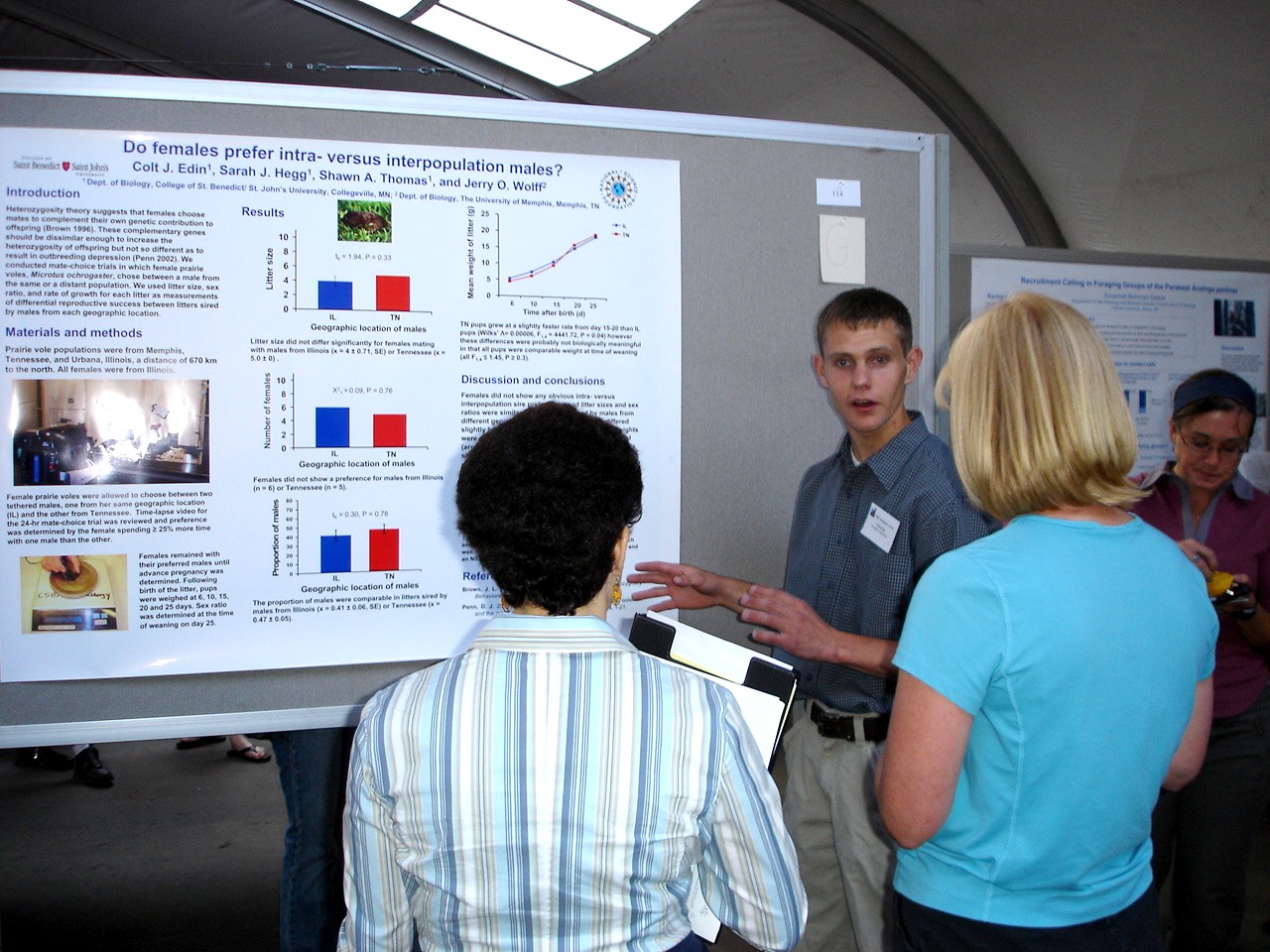
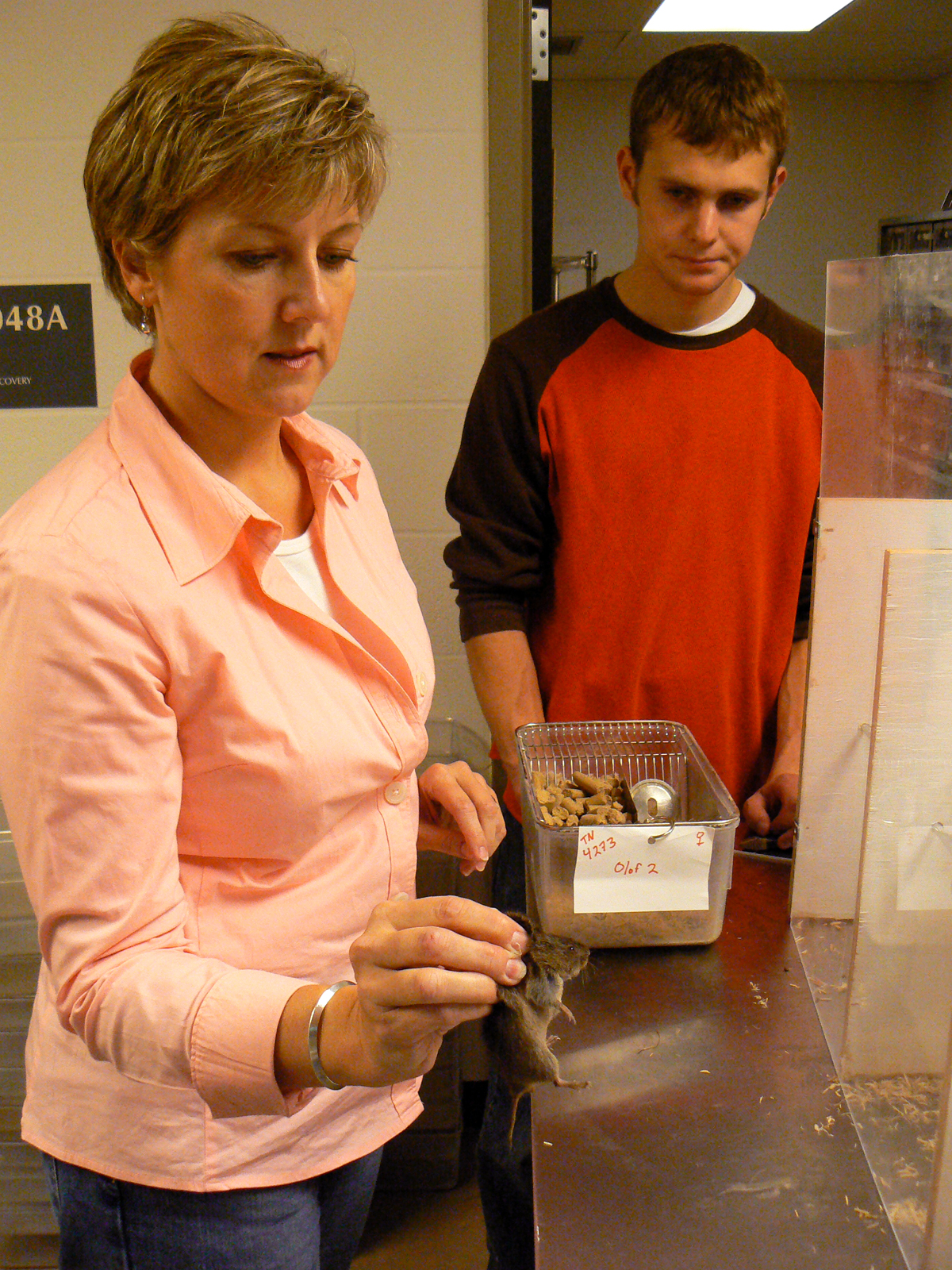
Colt Edin, SJU Junior and research student, presented Dr. Thomas and Colt (SJU, '07)
the preliminary results of his work at the 2005 meeting preparing a mate-choice trial
of the Animal Behavior Society in Snowbird, UT. Colt's
work was received an honorable mention in the Genesis
program for undergraduate research.
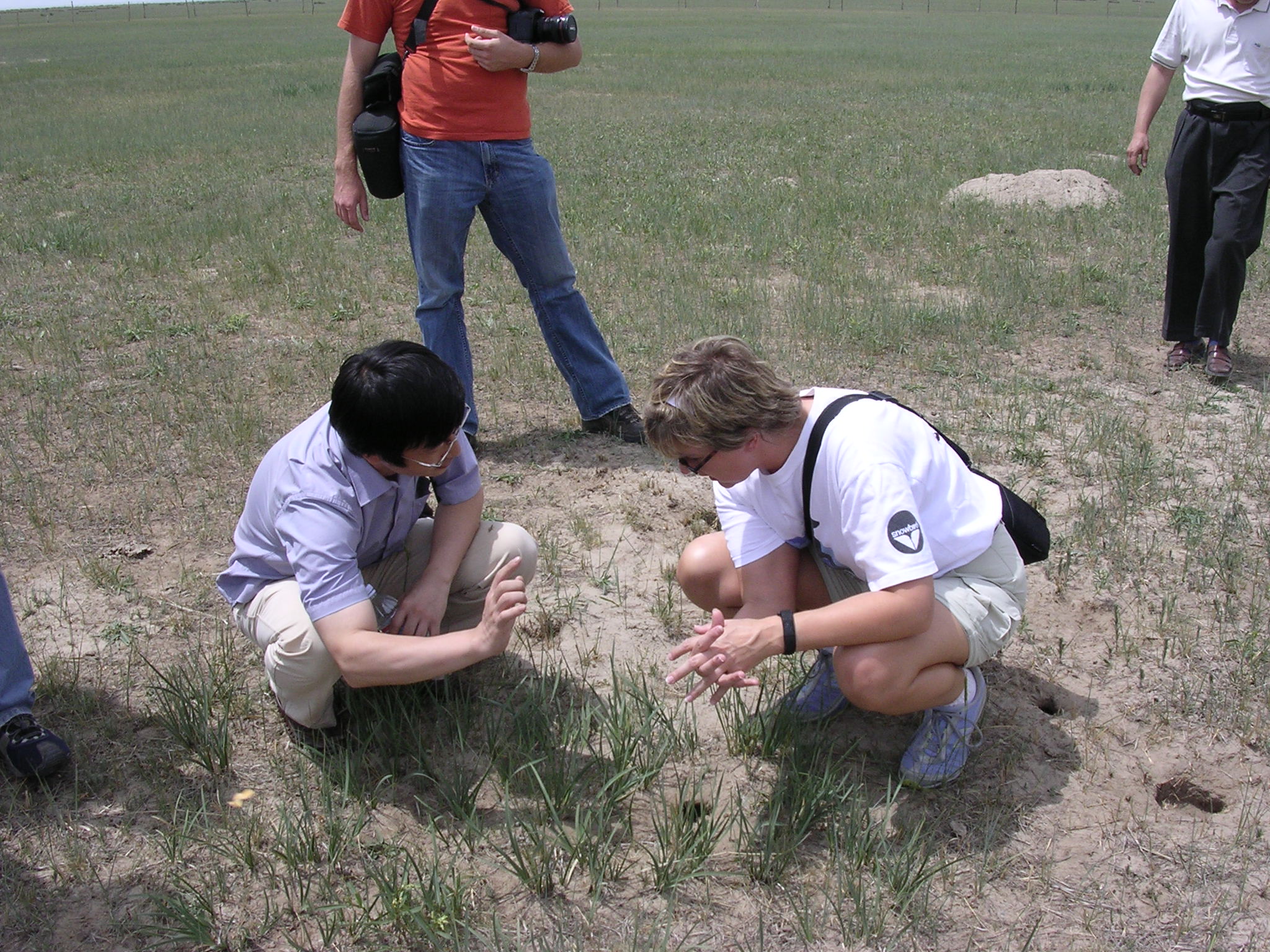
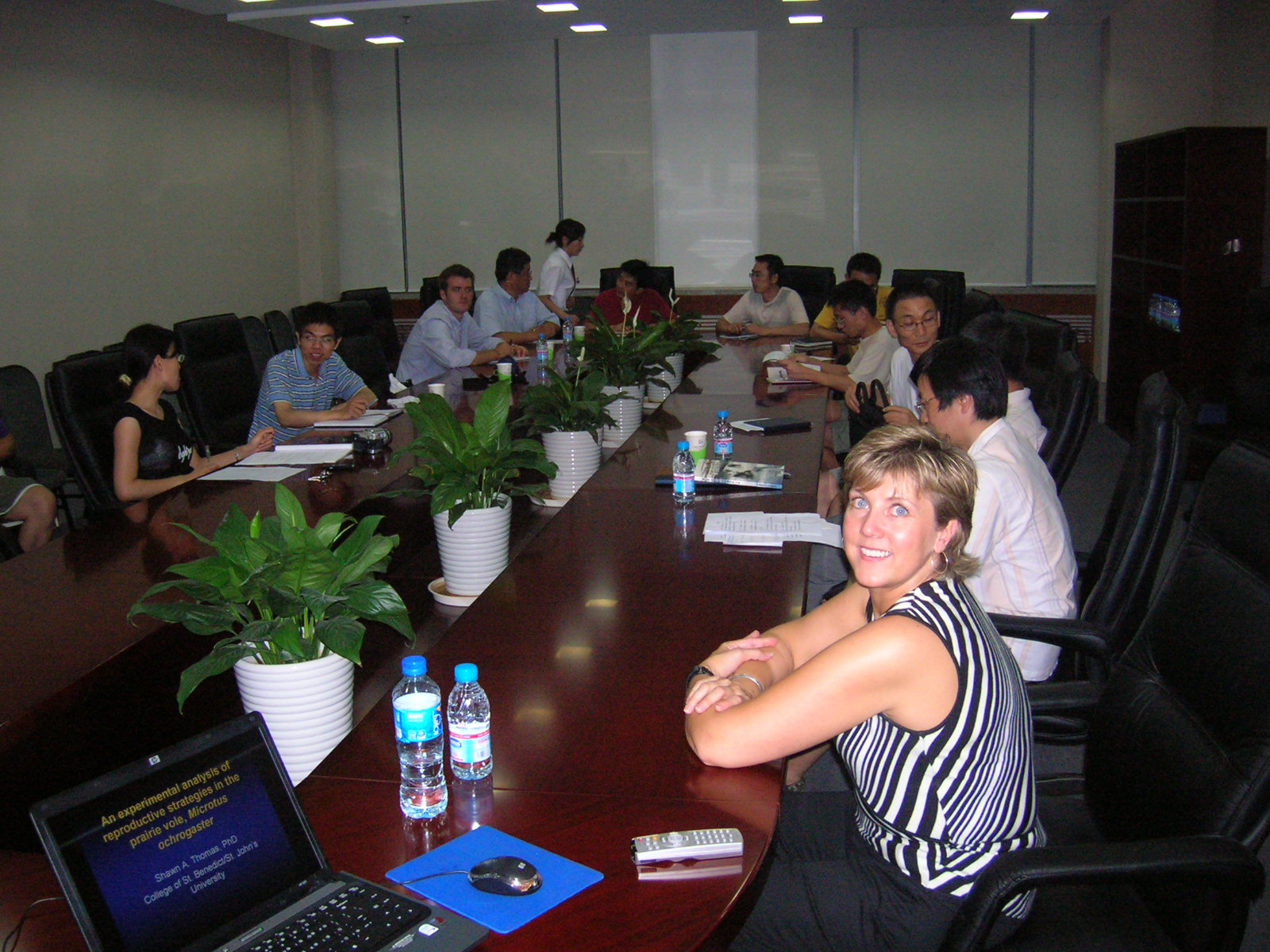
Conducting research with Dr. Wan, CAS; Participating in a workshop with colleagues
Inner Mongolian research site and graduate students at the CAS, Beijing
Additional pictures of my adventures
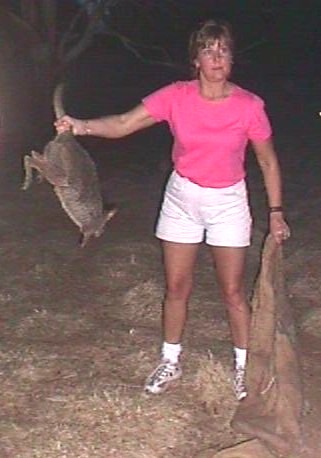

A wallaby and me; CSIRO, Canberra, Australia In a field of daisies; Friedrich Schiller Universität, Jena, Germany


Rafting the Columbia River; Moab, Utah Badlands, South Dakota
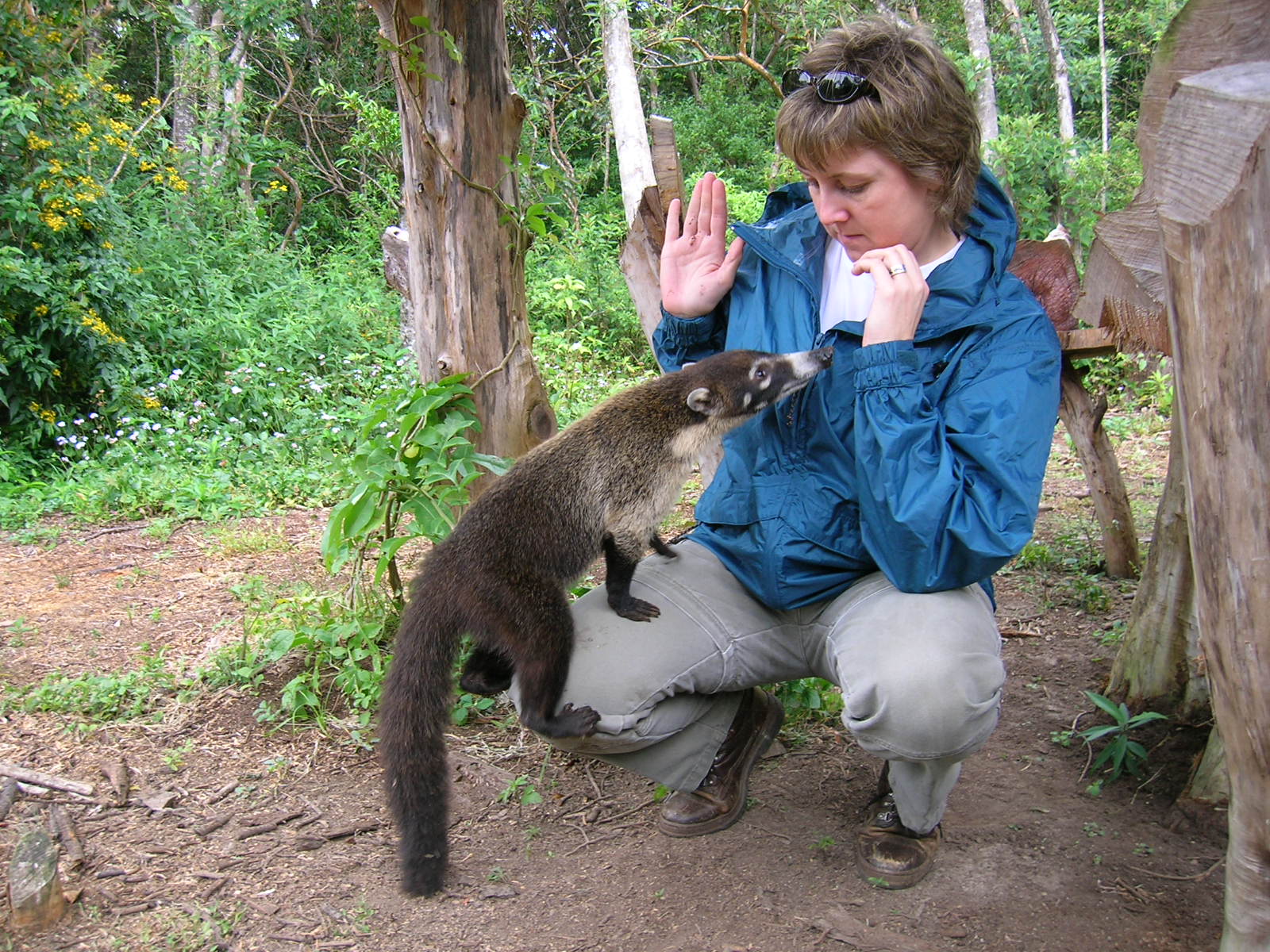
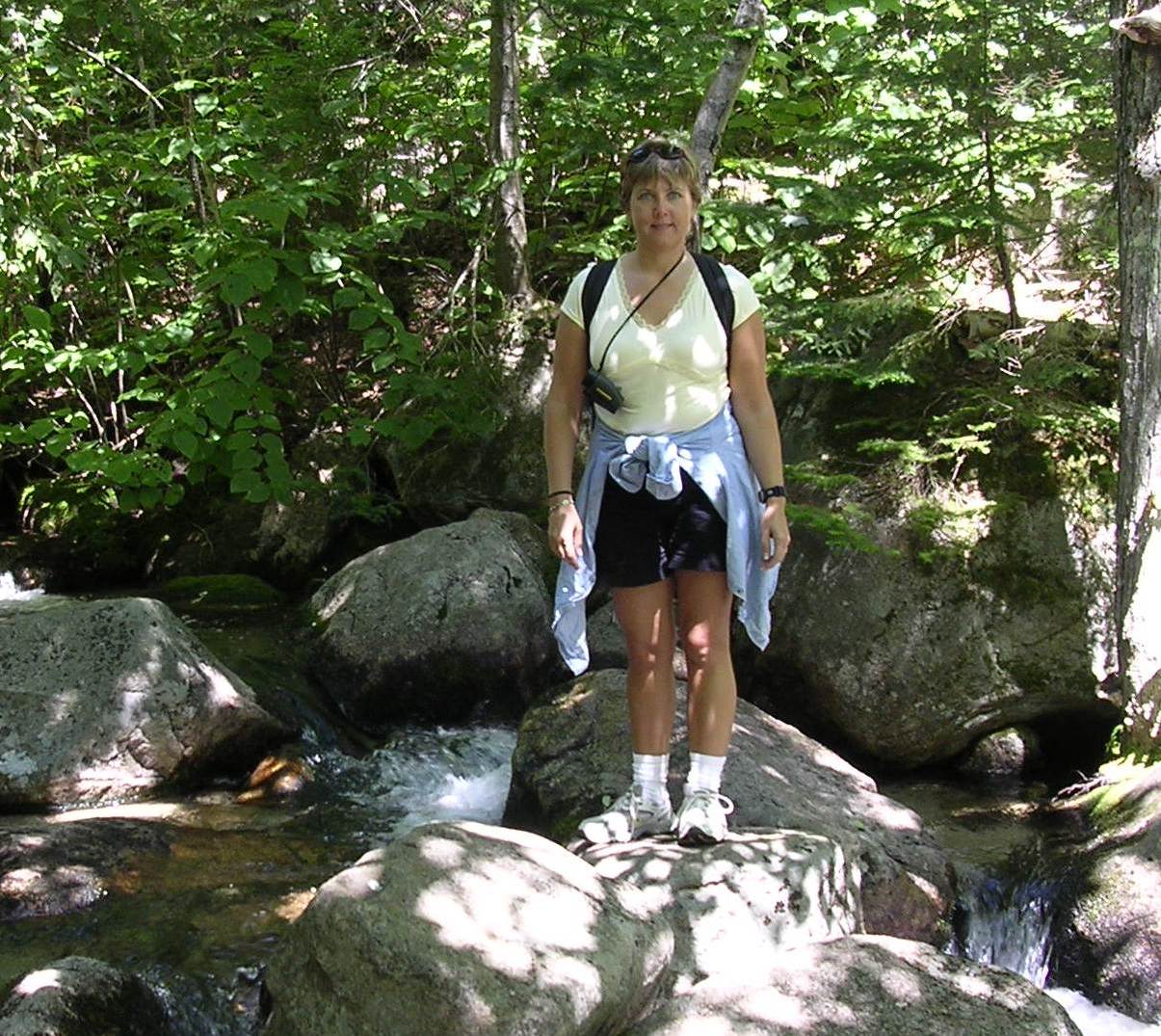
Up close and personal with a coati; Monteverdi, Costa Rica Hiking in Baxter State Park; Maine
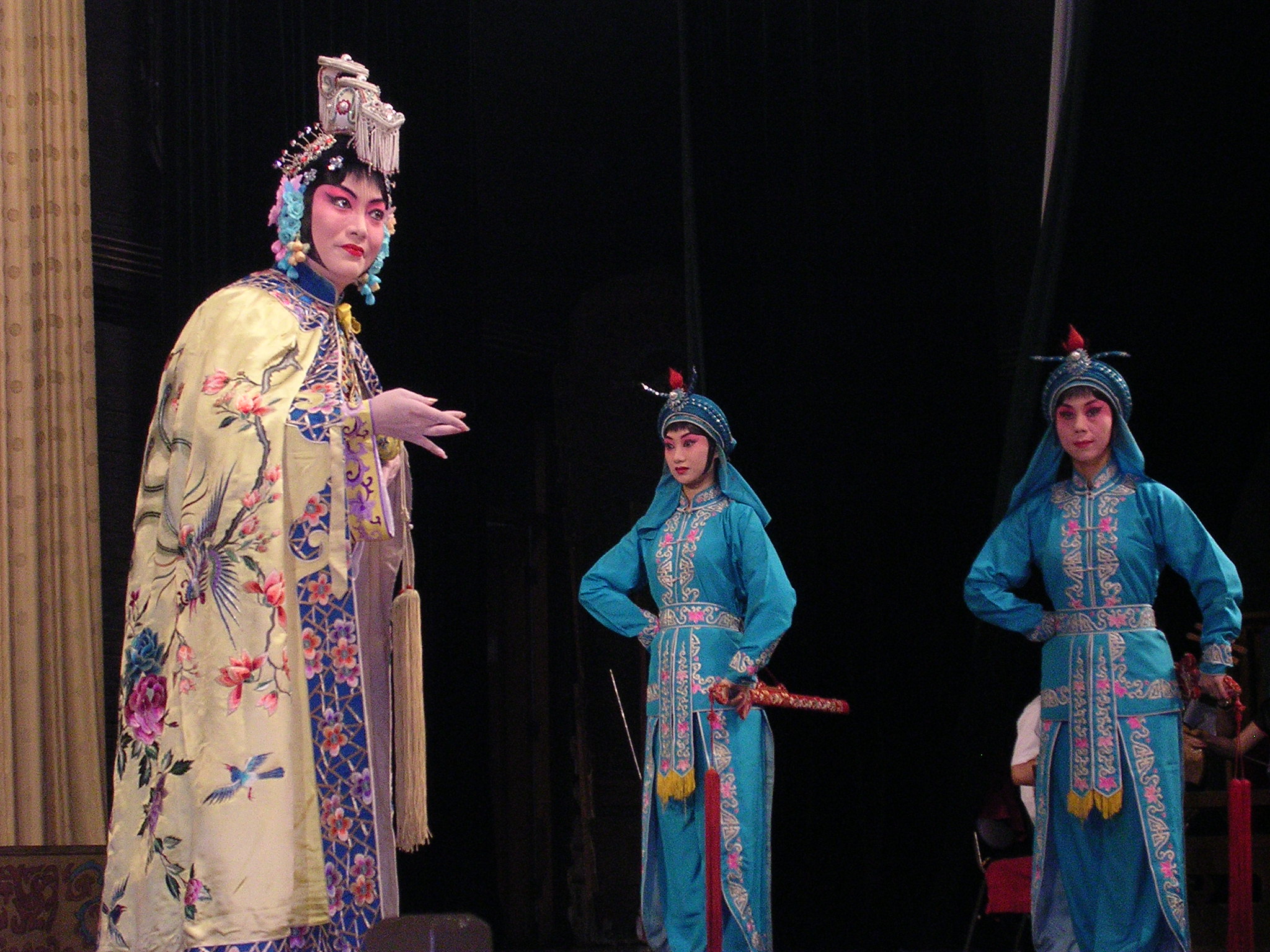
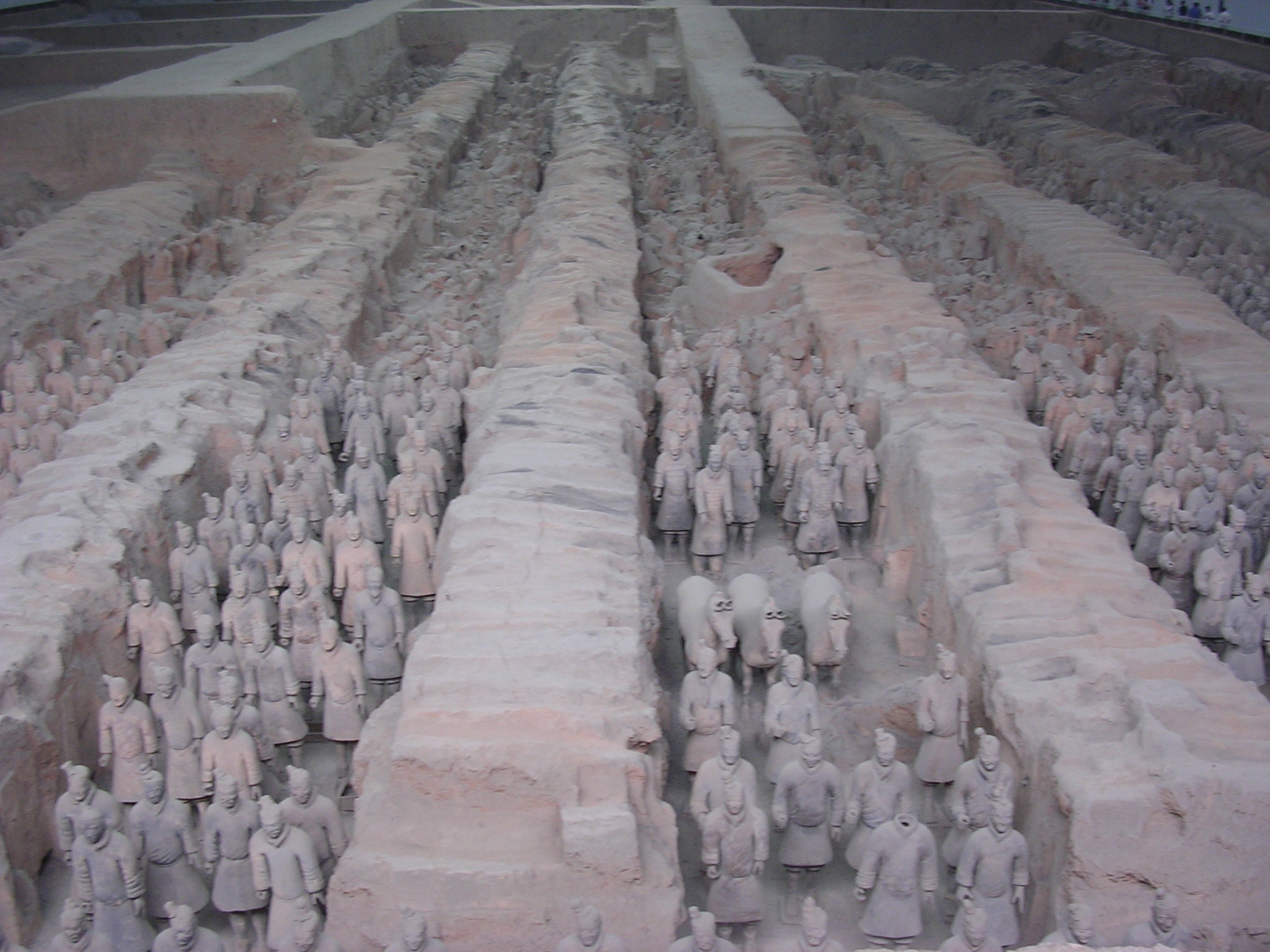
Peking Opera, My favorite concubine; Beijing, China Terra Cotta Warriors, Qin Dynasty; Xi'an, China

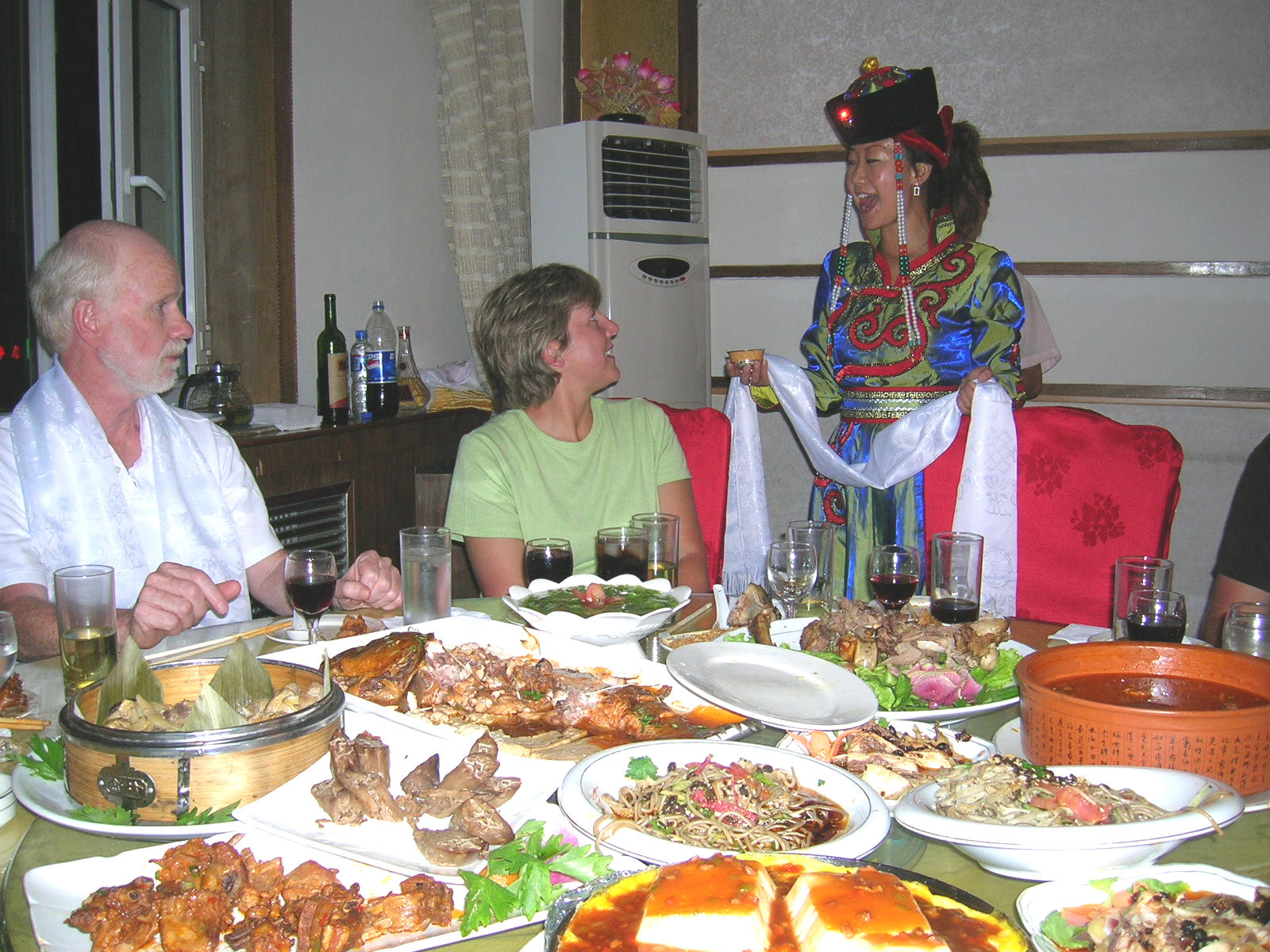
Climbing the Great Wall, China Receiving a traditional blessing; Inner Mongolia